Relocating to Granbury TX: Essential Tips for a Smooth Move
Relocating to Granbury TX increasingly attracts households looking for small-town character with regional access to the Dallas–Fort Worth area. According to U.S. Census QuickFacts, Granbury’s population sits near 12,000 residents as of 2023, reflecting steady growth over the past decade. Lake Granbury, the Historic Granbury Square, and access via U.S. Highway 377 create a blend of recreation, commerce, and commuting convenience. Understanding neighborhoods, schools, commuting patterns, and local services helps newcomers plan a transition that feels organized rather than rushed.
What should newcomers know about Granbury’s neighborhoods and layout?
Relocating to Granbury TX begins with a clear picture of how the city is organized along Lake Granbury and the Brazos River. Neighborhoods such as DeCordova Bend Estates, Harbor Lakes, and Old Granbury east of the Historic Granbury Square each deliver different housing styles and price points. According to Realtor.com data through early 2026, many single-family homes cluster in the $350,000 to $550,000 range, with waterfront and golf-course properties often trending higher.
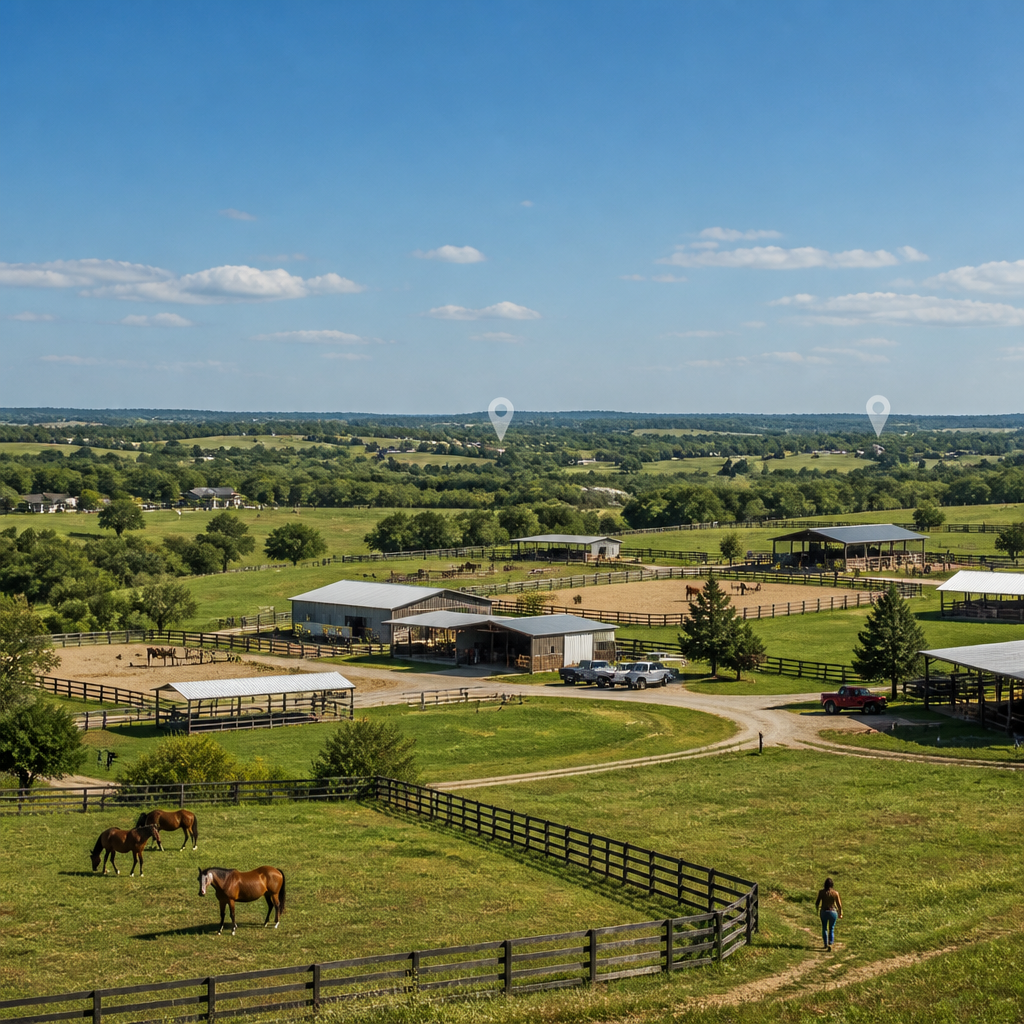
Acton and Pecan Plantation, just south of central Granbury, offer master-planned environments with community amenities, while areas along Fall Creek Highway and FM 4 provide larger lots appealing to equestrian and hobby-farm buyers. The Historic Granbury Square anchors a walkable core with historic cottages and townhomes stretching toward Bridge Street and Crockett Street. According to the City of Granbury, detailed on granbury.org, zoning maps distinguish residential, mixed-use, and commercial corridors that guide long-term planning decisions.
Proximity to Lake Granbury Medical Center along Paluxy Road, Granbury City Park, and the Hood County Courthouse on the Square influences daily routines as much as housing style. Residents near Pearl Street, Thorp Spring Road, and Waters Edge Drive often value shorter drives to the Historic Granbury Square’s restaurants and Granbury Opera House. In contrast, properties along Meander Road, Highway 144, and Rucker Street may trade immediate walkability for larger yards, quieter streets, and easier highway access for regional commuting.
How do schools and education options compare for families?
For households prioritizing education when relocating to Granbury TX, Granbury Independent School District (Granbury ISD) serves most neighborhoods. According to Niche rankings for 2024, Granbury ISD receives solid scores for academics, teachers, and college preparation among Texas districts of similar size. Campuses such as Emma Roberson Elementary, Oak Woods School, and Acton Elementary anchor early grades, feeding into Granbury Middle School and Granbury High School along Pirate Drive, which concentrate extracurricular and athletic facilities in a central corridor.
According to GreatSchools, Granbury High School holds ratings in the mid- to upper-range, with particular strengths noted in advanced coursework participation and graduation rates above 90% in recent reporting periods. Families living near Temple Hall Highway, James Road, and Old Granbury Road often evaluate bus routes, traffic near Highway 377, and after-school activity schedules when selecting a neighborhood. Private and faith-based schools near Mambrino Highway and in nearby Glen Rose or Weatherford provide additional options within a roughly 30- to 40-minute drive.
On fall evenings around Granbury High School, stadium lights wash over Pirate Drive, reflecting off parked cars while the distant scent of kettle corn drifts from the concession stand. The low rumble of drums from the marching band echoes across nearby neighborhoods along Calinco Drive and Mustang Trail. Cool air off Lake Granbury mixes with the warmth from food trucks parked near the campus, creating a sensory snapshot many families associate with small-town Texas football culture.
What commuting patterns and transportation options shape daily life?
Relocating to Granbury TX often involves balancing small-town pace with regional commuting realities. According to U.S. Census data through 2023, average one-way commute times for Granbury residents fall near 30 minutes, though many regional commuters travel longer. U.S. Highway 377 connects Granbury to Benbrook and southwest Fort Worth in roughly 35 to 45 minutes under typical traffic, while State Highway 144 links south toward Meridian and north toward Glen Rose and Cleburne.
Within the city, most daily errands concentrate along the Highway 377 commercial corridor, stretching from Temple Hall Highway to Acton Highway. According to Walk Score, Granbury posts an overall walk score around 19, indicating a predominantly car-dependent community, while the Historic Granbury Square area itself achieves more walkable ratings due to clustered dining and retail. Residents near Waters Edge Drive and Crockett Street often manage with fewer daily miles than households along Meander Road, Old Granbury Road, or Mambrino Highway.
Early mornings along the Lake Granbury shoreline near City Beach Park carry a soft hush, broken mainly by gulls calling over the water and the slow hum of engines from fishing boats leaving the public ramp off Pearl Street. Cool air rises from the lake surface, carrying a faint mineral scent and the aroma of coffee drifting from cafes near the Historic Granbury Square. Sunlight glints off moored boats beside Hewlett Park, making the commute across Pearl Street Bridge feel unhurried despite the growing traffic.
How does Lake Granbury influence recreation and property choices?
For many households relocating to Granbury TX, Lake Granbury serves as both a recreational anchor and a driver of property values. According to the Brazos River Authority, Lake Granbury stretches roughly 33 river miles with about 103 miles of shoreline, supporting boating, fishing, and waterfront living. Homes in communities such as DeCordova Bend Estates, Catalina Bay, and the Peninsula along Waters Edge Drive often command premiums, with some lakefront properties entering the $700,000 to $1,200,000 range depending on dock access and updates.
Public amenities expand access beyond direct waterfront addresses. City Beach Park off East Pearl Street offers a swimming area and kayak rentals, while Hewlett Park and Shanley Park provide shaded picnic spots and green space. According to the City of Granbury’s parks information at granbury.org, the system includes more than 120 acres of parkland, with improvements continuing near Granbury City Park and Lambert Branch Park. These features, combined with the nearby Acton Nature Center of Hood County, help residents integrate outdoor routines into daily life.
Residents evaluating neighborhoods along Rucker Street, Meander Road, and Contrary Creek Road often compare water access, elevation, and floodplain information before finalizing a purchase. Some households prioritize deep-water coves for wakeboarding or fishing, while others prefer quieter inlets near Hunter Park on the lake’s western side. Lake proximity also influences insurance considerations and long-term maintenance for bulkheads, docks, and shoreline landscaping, factors that can add several hundred to a few thousand dollars annually to housing budgets.
What housing costs and local services should movers budget for?
Financial planning plays a central role when relocating to Granbury TX, particularly for those transitioning from higher-priced metropolitan markets. Based on early 2026 listing data from Realtor.com, many standard three-bedroom homes trade between roughly $300,000 and $450,000, while newer construction in communities such as Abe’s Landing and Harbor Lakes may reach the $500,000 to $650,000 range. Property tax rates in Hood County typically land near 2% to 2.3% of assessed value, according to the Hood County Appraisal District.
Monthly utility expenses vary with home size and lake orientation. According to regional cost-of-living estimates from BestPlaces, overall living costs in Granbury run roughly 5% to 10% below the national average, with housing the primary savings driver compared to many coastal metros. Lake Granbury Medical Center on Paluxy Road, Hood County Library near West Pearl Street, and grocery stores along Highway 377 consolidate many essential services within a 5- to 10-minute drive for most in-town residents.
Dining and entertainment budgets benefit from a mix of local and regional options. The Historic Granbury Square features the Granbury Opera House, Farina’s Winery & Cafe, and Pearl Street Station, while chains line Highway 377 near HEB and Walmart Supercenter. Revolver Brewing in nearby Acton, Babe’s Chicken Dinner House, and Harbor Lakes Golf Club introduce regional flavor and recreation. Seasonal festivals on the Square, including Fourth of July activities and Candlelight Tours at Christmas, create recurring costs for parking, dining, and event tickets that many newcomers willingly incorporate into annual spending plans.
The population figure of roughly 12,000 residents cited at the start of this guide reflects a community large enough to support services yet small enough for recurring daily familiarity. That same 12,000-resident scale from the opening underscores why housing inventory can tighten quickly when multiple buyers target the same streets near the Historic Granbury Square or Lake Granbury. The North Texas Real Estate Information Systems (NTREIS) regional MLS provides detailed listing histories that clarify how quickly well-priced properties move across Granbury’s neighborhoods. Buyers who register MLS-driven alerts through participating brokerages and commit to touring promising homes within 48 hours of activation before the late-spring surge in May typically secure stronger negotiating positions and a wider choice of floor plans. Those who delay engagement until after the Q2 tourism upswing often face higher prices, fewer waterfront options, and increased competition concentrated around the most walkable streets and established school zones.