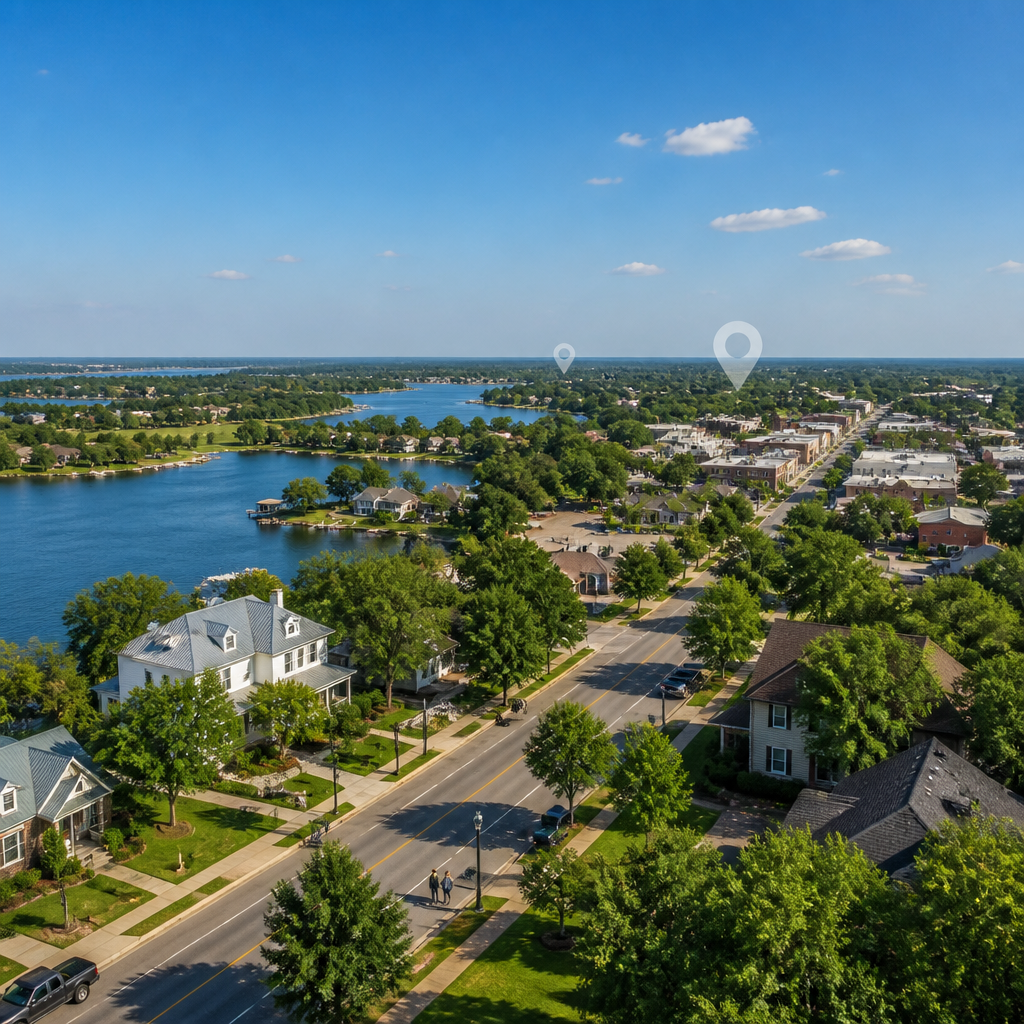
Explore Gainesville TX Horse Properties for Sale: A Comprehensive Guide for Equestrian Enthusiasts
Gainesville offers a distinctive blend of small‑town character and serious equestrian infrastructure, making it a strategic base for riders throughout North Texas. According to Realtor.com, as of mid‑2026 many Gainesville listings, including acreage properties, cluster in the $300,000 to $500,000 range, although larger ranches trade significantly higher. That pricing spectrum, combined with open land in Cooke County, positions Gainesville TX horse properties for sale as a compelling alternative to denser Dallas–Fort Worth suburbs for professionals, hobbyists, and competitive show barns alike.
What defines Gainesville TX horse properties for sale in the current market?
Gainesville sits along Interstate 35 and U.S. Highway 82, with horse properties spreading toward Moss Lake, Lindsay, and Valley View. According to Redfin, as of early 2026 many rural‑style listings with barns and pastures in the greater Gainesville area trade between $400,000 and $800,000, depending on acreage and facilities. That range reflects strong demand from riders who value direct access to sandy loam soils and open turnout while still staying within commuting distance of Denton and the broader Metroplex.
Inventory for true equestrian setups remains relatively tight. Based on data from Zillow accessed in 2026, Gainesville frequently shows only a handful of listings at any time that feature both usable barns and cross‑fenced pastures, often fewer than 10 active options. This limited supply encourages prepared buyers to act quickly when well‑located tracts near FM 372, FM 678, or CR 2117 reach the market with functional arenas or stock tanks.
Market tempo also supports decisive strategies. According to Redfin, as of Q2 2026 Gainesville homes typically spend between 30 and 45 days on market, with competitively priced acreage properties often going under contract faster. That time frame shortens when listings sit near destinations such as North Central Texas College, Gainesville High School, or along the more desirable corridors close to the Elm Fork of the Trinity River.
How do land, soil, and water features shape equestrian potential around Gainesville?
Soils and topography determine how efficiently a property supports horses, especially in wet seasons. According to the USDA Web Soil Survey, large areas of Cooke County around Gainesville contain sandy and sandy‑loam profiles that drain more rapidly than heavy clays, which benefits hoof health and arena performance. Parcels west of Gainesville toward Moss Lake and along FM 1201 often display this lighter soil mix, while some tracts closer to Pecan Creek include more flood‑prone sections that require thoughtful pasture planning.
Water access is another key variable. Guidance from Texas A&M AgriLife Extension notes that horse operations in North Texas typically plan for stocking rates in the range of 2 to 5 acres per animal, depending on pasture quality and rainfall. Properties near spring‑fed ponds or with multiple frost‑free hydrants around the barn reduce labor and trucking costs, particularly during hot Cooke County summers when hydration and shade become critical for performance horses.
On late summer evenings, the gentle slope of pastures east of Leonard Park often glows gold as the sun drops behind the Cooke County Courthouse dome. The faint roar from Interstate 35 fades under the rhythmic thud of hooves in a sandy round pen, while cicadas create a steady hum along Pecan Street. Freshly irrigated footing near the arenas by the Gainesville Municipal Airport carries a cool mineral smell, giving working horses a noticeably softer landing with each collected stride.
What facilities should serious equestrians prioritize when evaluating Gainesville TX listings?
Facility design strongly influences both daily efficiency and long‑term resale potential. Texas A&M AgriLife Extension recommends, in general guidance, that busy programs allocate at least 12 feet of width for barn aisles to allow safe passage of horses and equipment. Barns near Gainesville High School, Edison Elementary, or along California Street that incorporate wide, well‑lit aisles, covered grooming bays, and ventilated tack rooms tend to attract show barns hauling regularly to events at the Cooke County Fairgrounds or major shows near Fort Worth.
Riding arenas and round pens also warrant close inspection. According to arena‑design recommendations compiled by Texas A&M AgriLife Extension, rectangular practice arenas for most Western and English disciplines often measure in the neighborhood of 100 by 200 feet, though specific needs vary. Gainesville TX horse properties for sale that provide similar dimensions, reliable base construction, and access to truck parking along routes like FM 372 or FM 2071 typically support more intensive training programs.
On cool fall mornings, the covered arenas just north of Grand Avenue feel wrapped in a soft hush, broken only by the crisp rhythm of hooves over freshly groomed footing. The air smells faintly of oiled leather and alfalfa as riders trot past open sides framing the steeple of St. Mary’s Catholic Church. Light filters through arena dust in narrow beams, illuminating rail‑side viewing benches where thermoses of hot coffee send wisps of steam into the chilly Cooke County air.
How do access, zoning, and taxes affect long‑term value for Gainesville equestrian buyers?
Transportation access supports both daily use and resale prospects. Data from Walk Score show Gainesville carrying an overall walk score near 28, emphasizing car‑dependent patterns and underscoring the importance of trailer‑friendly driveways and generous turning radii. Properties with gated entries set back from FM 678, FM 902, or the roads approaching Moss Lake often offer easier rig navigation, making them especially attractive to trainers hauling to events in Oklahoma at WinStar World Casino’s event center or to shows around Pilot Point and Aubrey.
Zoning and agricultural valuation status significantly influence operating costs. According to guidance from the Texas Comptroller, qualified agricultural or open‑space valuations can reduce assessed value dramatically when land supports bona fide livestock operations, including horses under certain criteria. In Cooke County, that difference can translate into effective tax rate changes measured in several hundred dollars per year on mid‑size acreages, especially for properties around CR 2115 or near the rural fringes south of U.S. Highway 82.
Overall tax levels also matter when comparing competing regions. Based on rate tables published by the Texas Comptroller for recent years through 2025, combined property tax rates for many North Texas counties, including Cooke County, typically fall in a broad band around 1.5% to 2.5% of assessed value, though specific parcels vary. Prospective equestrian owners often pair that information with commuting considerations to North Central Texas College, local hospitals, or employers along Interstate 35.
How do Gainesville schools, parks, and amenities influence equestrian lifestyle and resale?
School quality affects resale appeal for many horse‑oriented households. According to GreatSchools, Gainesville High School holds a rating around 6 out of 10 as of 2026, while other campuses such as Chalmers Elementary and Lee Intermediate show varied profiles. Properties positioned within short drives of these schools, especially along Broadway Street, Grand Avenue, or near the North Central Texas College campus, often draw interest from competitive youth riders balancing academics with hauling schedules.
Parks and recreation features deepen daily quality of life. City information from the Gainesville Parks and Recreation Department notes that Leonard Park spans roughly 25 acres and adjoins the Frank Buck Zoo, which houses more than 130 animals. Proximity to this greenbelt, plus access to walking paths along Pecan Creek and civic events near the Gainesville Civic Center, allows riders to enjoy non‑barn downtime while remaining close to home arenas and turnout pastures.
Downtown amenities also contribute to neighborhood perception. Historic buildings around the Cooke County Courthouse anchor destinations such as Sarah’s on the Square, The Neu Ranch House, and eateries along California Street that stay busy after events at Butterfield Stage Players or the Plaza Theater. According to visitor data summarized by the Texas Hotel & Lodging Association, small‑city historic districts that maintain active dining cores often experience tourism increases in the range of 5% to 10% over multi‑year periods, supporting broader economic stability that benefits surrounding rural housing markets.
What strategies help buyers secure Gainesville TX horse properties for sale?
Careful advance planning strengthens offers in a constrained equestrian market. Based on observations from Realtor.com through 2026, acreage listings in Gainesville that combine functional barns, perimeter fencing, and proximity to major routes frequently attract multiple offers when priced between approximately $450,000 and $750,000. Pre‑approval letters, thoughtful offer terms, and flexibility on closing dates often matter as much as price, particularly for long‑time ranch owners transitioning to smaller tracts closer to town.
Due diligence around land quality and infrastructure prevents costly surprises. According to the USDA Web Soil Survey, soil classifications around Gainesville vary substantially over short distances, with some pockets showing higher shrink‑swell potential that can affect foundations and arenas. Pairing soil reports with independent inspections of wells, septic systems, and electrical capacity near barn clusters on roads like FM 2071 or near Moss Lake Road helps clarify whether immediate capital upgrades will exceed $20,000 to $40,000, a range commonly cited in contractor estimates gathered by HomeAdvisor.
Coordinated use of digital tools and local expertise improves timing. Market analytics from Redfin indicate that in tighter inventory periods during 2024 through 2026, a notable share of Gainesville homes—often between 20% and 30% of monthly sales—went under contract within the first week. Monitoring listing alerts, touring promptly, and maintaining realistic expectations around cosmetic updates versus structural concerns enables equestrian buyers to respond quickly when suitable land, barns, and access combine in a single offering.
The $300,000 to $500,000 price band cited at the start of this guide reflects the foundational tier of Gainesville TX horse properties for sale and underscores how quickly competition intensifies as facilities and acreage improve. That range from the opening paragraph also illustrates how Gainesville remains relatively attainable compared with many North Texas equestrian hubs. The North Texas Real Estate Information System (NTREIS) market statistics portal offers the clearest regional context for shifting inventory and pricing trends across Cooke County. Buyers who register automated listing alerts through NTREIS‑affiliated broker sites and commit to touring viable properties within forty‑eight hours of activation before the spring selling surge in March typically secure more favorable pricing and terms. Those who delay searches until late summer, when pasture quality and temperatures decline, often confront reduced options and higher carrying costs for less flexible sellers.